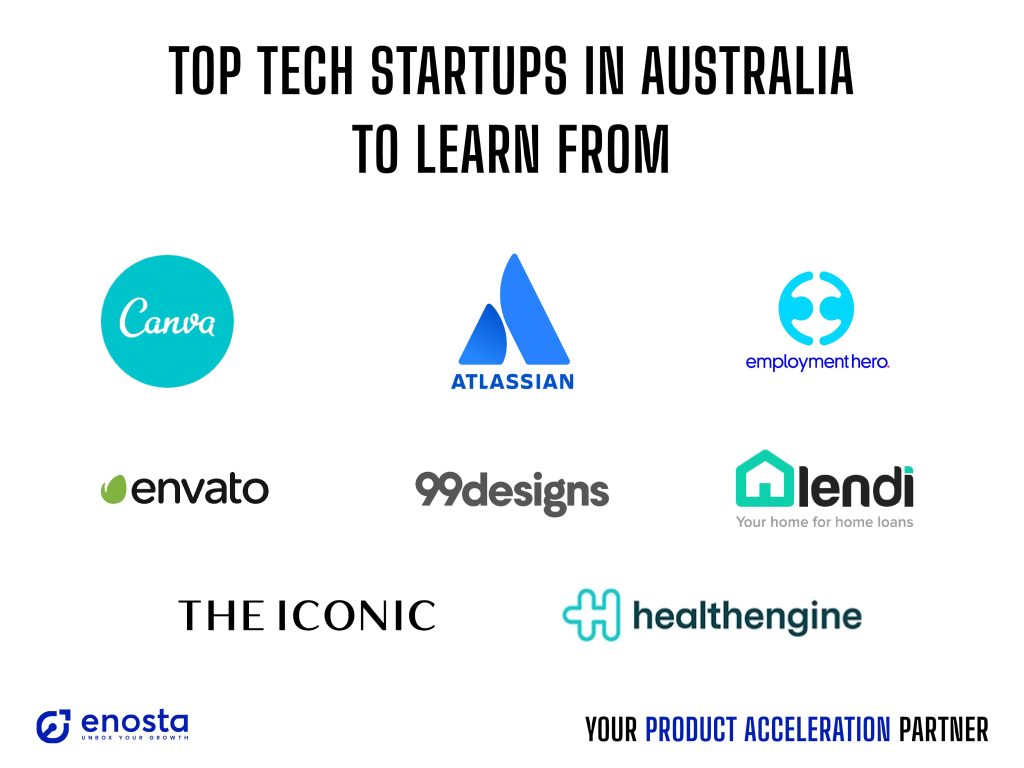
Australia has produced some of the most successful tech startups in the Asia–Pacific region, with companies scaling from local ideas into globally recognised products. While each journey is unique, many of these startups share common patterns in how they approached product design, technology, and growth.Instead of simply listing successful names, this article breaks down what founders can actually learn from leading Australian startups — and how these lessons can be applied when building and scaling digital products today.
You may want to know: Top 8 Startup Accelerators and Incubators in Sydney, Australia
Lesson 1: Simplicity at Scale — Canva’s Product-Led Growth

Startup spotlight: Canva
- Founder: Melanie Perkins, Cliff Obrecht, Cameron Adams
- Founded in 2013
- Headquarters: Sydney, Australia
- Worth: AUD55 Billion
Canva is often cited as one of Australia’s most successful tech startups — but its real strength lies not just in valuation, but in product thinking.
Canva’s success is rooted in radical simplicity. By removing the complexity traditionally associated with graphic design tools, Canva enabled non-designers to create professional-quality visuals with ease.
Key takeaways:
- Design for accessibility, not expertise
- Let the product drive adoption through ease of use
- Use freemium strategically to reduce friction and scale organically
Lesson 2: Platforms That Empower Communities — 99designs

Startup spotlight: 99designs
- Founders: Max Harbottle & Matt Michkiewicz
- Founded: 2008
- Headquarters: Melbourne, Australia
- Industry: Freelancing & Crowdsourcing
99designs built a global design marketplace by connecting designers and clients across borders.
Rather than owning supply or demand, 99designs focused on orchestrating value between two sides of a marketplace.
Key takeaways:
- Strong UX is critical for multi-sided platforms
- Trust mechanisms (ratings, contests, clear rules) drive adoption
- Revenue models should align with value exchange, not extract from it
Lesson 3: Solving Regulated Problems with Digital Experience — Lendi
Startup spotlight: Lendi
- Founded: 2013
- Founder: Martin Lam
- Headquarters: Sydney, NSW, Australia
- Industry: Financial Service
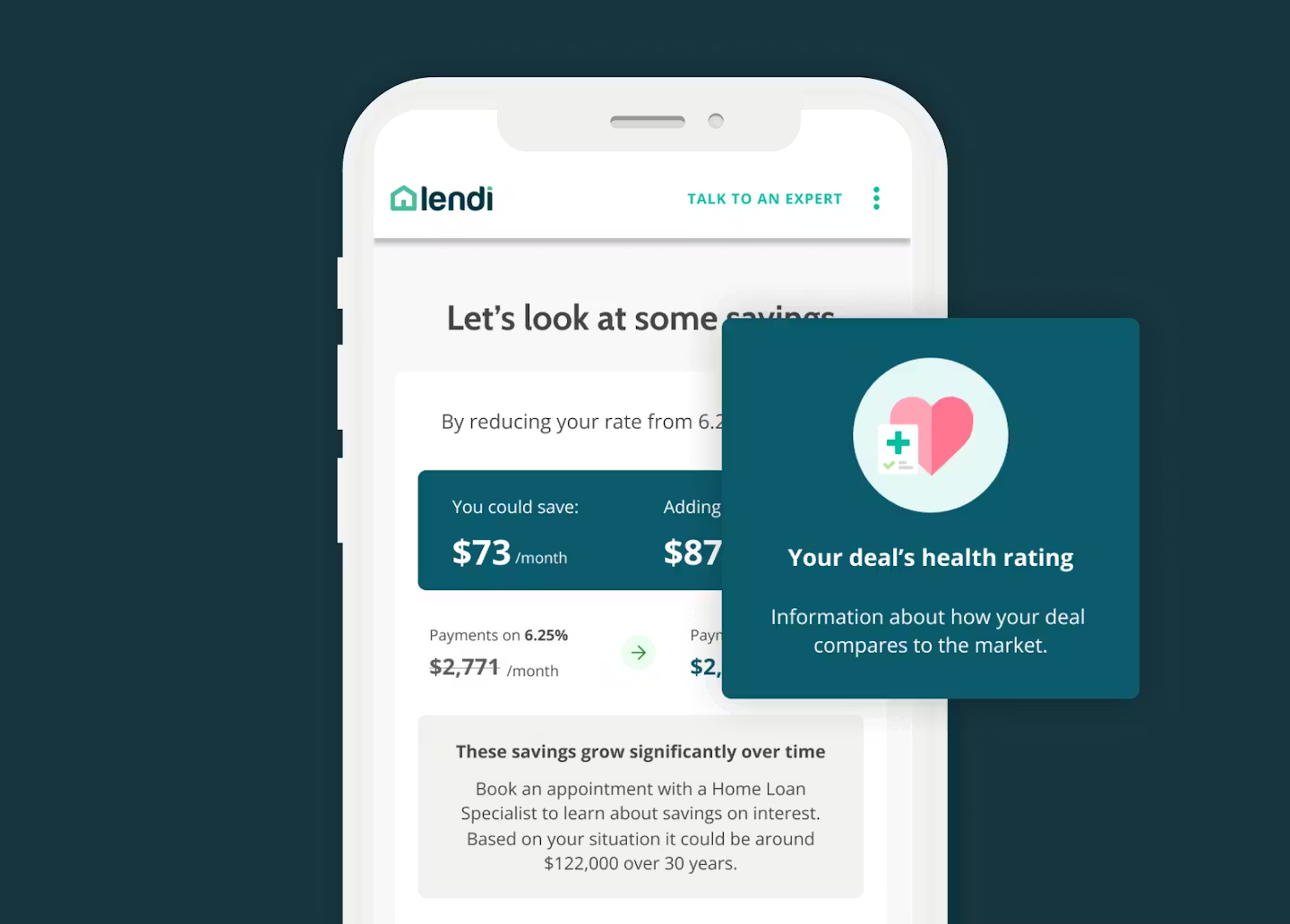
Lendi transformed the traditionally complex home loan process into a digital-first experience.
Operating in regulated industries does not limit innovation — it demands better product clarity.
Key takeaways:
- Simplify complex decision-making for users
- Combine technology with expert support
- Build trust as a core product feature
Lesson 4: SaaS for SMEs Requires Operational Empathy — Employment Hero
Startup spotlight: Employment Hero
- Founded: 2014
- Headquarters: Sydney, NSW, Australia
- Founder: Ben Thompson
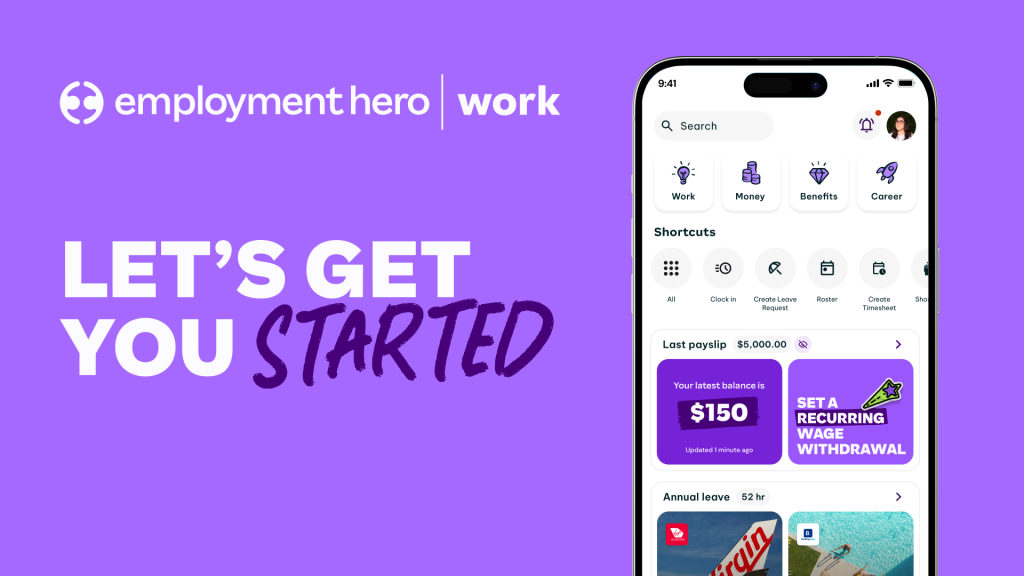
Employment Hero addresses HR and payroll challenges faced by small and medium-sized businesses.
SME-focused SaaS products win by deeply understanding daily operational pain points.
Key takeaways:
- Reduce administrative burden, not just add features
- Price products to grow with customers
- Build ecosystems, not isolated tools
Lesson 5: Product-Led Growth at Enterprise Scale — Atlassian (Jira & Trello)
Startup spotlight: Atlassian
- Founded: 2002
- Founders: Make Cannon-Brookes, Scott Farquhar
- Industry: Software Development
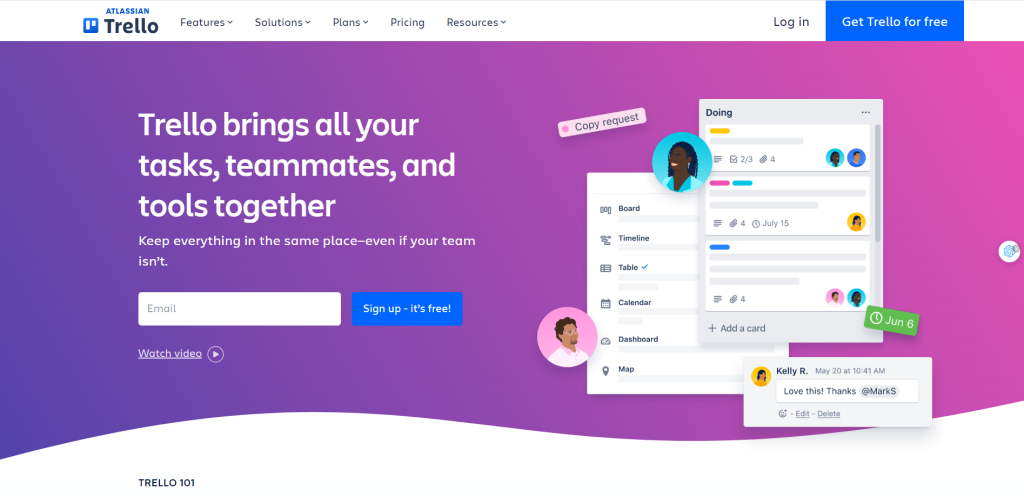
Atlassian’s products demonstrate how product-led growth (PLG) can scale globally.
Atlassian prioritised self-serve onboarding and transparent pricing from the start.
Key takeaways:
- Let users experience value before committing
- Invest early in scalable product architecture
- Design for teams, not just individuals
Lesson 6: Building Sustainable Marketplaces — Envato
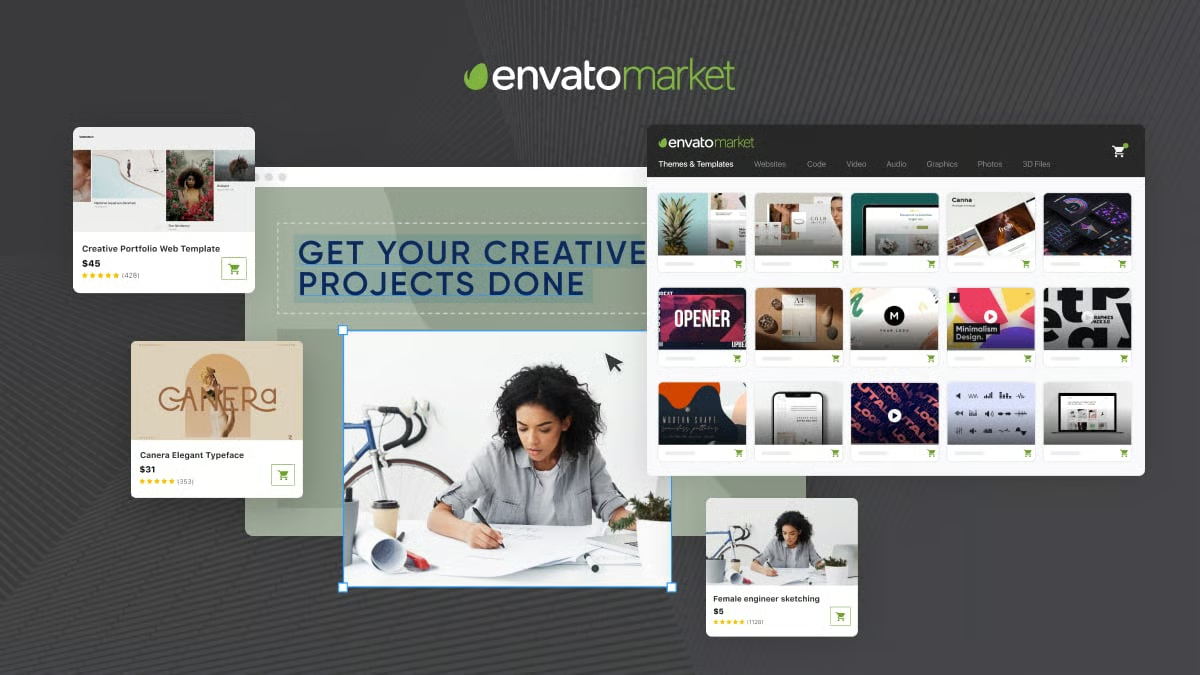
Startup spotlight: Envato
- Founded: 2006
- Founders: Collis Ta’eed, Cyan Ta’eed, Jun Rung
- Industry: Online marketplace
You may be interested in: Top Software Companies in Australia to Become Partner
Envato created a global marketplace for creative assets by empowering independent creators.
Envato focused on long-term ecosystem health, not short-term monetisation.
Key takeaways:
- Creator success fuels platform growth
- Subscription models can stabilise revenue
- Community trust compounds over time
Lesson 7: Customer Experience as a Differentiator — The Iconic

Startup spotlight: The Iconic
Founded: 2011Industry: Fashion & E-commerce
The Iconic became one of Australia’s most recognised online retailers by obsessing over customer experience.
Fast delivery, easy returns, and responsive support were not add-ons — they were the product.
Key takeaways:
- Logistics and service design are part of UX
- Brand trust is built through consistent execution
- Retention often matters more than acquisition
Lesson 8: Trust and Responsibility in Healthtech — HealthEngine

Startup spotlight: HealthEngine
- Founded: 2006
- Founders: Marcus Tan, Adam Yap
- Industry: Healthcare
HealthEngine digitised appointment booking across Australia’s healthcare sector.
Healthtech products must balance innovation with responsibility.
Key takeaways:
- Privacy and ethics are non-negotiable
- Reliability builds long-term adoption
- Product decisions have real-world impact
Across these companies, several consistent themes emerge:
- Strong product thinking before scaling
- Technology choices aligned with user needs
- Business models designed for long-term sustainability
- UX treated as a strategic advantage, not decoration
These patterns often require structured product thinking and clear execution frameworks—areas where digital product consulting plays a critical role for growing startups.
Australia’s most successful startups didn’t win by accident. They combined clear product thinking, disciplined execution, and technology choices aligned with user value.
For founders today, the real challenge is not inspiration — it’s implementation. Learning from proven patterns can shorten the path from idea to impact.
How Enosta Helps Startups Apply These Lessons
At Enosta, we work with startups and SMEs to translate lessons from successful products into practical execution. Turning product lessons into real-world outcomes often requires a scalable mobile app development approach aligned with long-term growth.
We help teams:
- Validate product ideas with real users
- Design scalable digital products
- Build technology that supports growth, not rework
Rather than copying features from successful startups, we focus on applying the principles behind their success.